
7 Kitchen Layout Mistakes Missouri City Homeowners Regret After Remodeling
A new kitchen is a major investment, one industry standards say should last 15 years or more. That’s why starting with a solid plan is so critical. We see many local homeowners discover that common kitchen design mistakes lead to significant regret after the renovation dust settles.
Your daily routine and long-term happiness depend on how every inch functions. Tight walkways, awkward appliance placement, and poor storage can turn your central hub into a source of daily frustration.
If you’re planning a remodel, J Squared Home Designs offers kitchen design in Missouri City focused on layout, cabinetry, storage, lighting, finishes, and contractor coordination.
Key Takeaways
- A kitchen remodel is a 15+ year investment, making proper planning essential.
- Function should always take priority over fleeting trends for long-term satisfaction.
- Common regrets include insufficient clearances and poorly planned appliance spacing.
- Inadequate storage, like a lack of drawers, can hinder daily organization.
- Awkward pantry access and missed lighting zones impact convenience and atmosphere.
- Working with a professional from the start helps avoid these costly errors.
Understanding the Impact of Kitchen Layout Mistakes
Overlooking the fundamental principles of space planning can turn an exciting update into a lasting source of frustration. The layout determines whether your kitchen supports your routine or works against it.
Why a Poor Layout Can Derail Your Renovation
A flawed floor plan directly affects function. You may end up with beautiful finishes installed in a room that feels cramped and inefficient. Every meal prep becomes harder when you battle awkward appliance spacing and tight walkways.
The National Kitchen & Bath Association kitchen planning guidelines are a helpful reference for clearances, appliance placement, landing areas, and safe movement through the room.
Lessons Learned from Missouri City Homeowners
Many homeowners regret not getting expert guidance early. Big box store displays can look appealing, but they often do not account for the way a family actually cooks, cleans, stores, and moves through the room.
For example, in 2006, we removed a dated mosaic backsplash from a prior project. The homeowner loved it initially, but its busy pattern and the poor layout around it did not age well.
Smart planning from the start helps your cabinetry, appliance placement, and work zones support daily life for years.
Tight Clearances and Weak Appliance Spacing
The success of your kitchen layout depends on measured distances and thoughtful appliance placement. When these elements are off, even a beautiful renovation can feel frustrating to use daily.
Walkways that are too narrow make a kitchen feel cramped and can create safety issues. Proper planning gives everyone enough room to move, cook, clean, and gather comfortably.
Calculating the Right Distance for Comfort and Safety
Clearances are especially important in homes with more than one cook. The distance between the island and perimeter cabinets needs to account for movement, drawer pulls, appliance doors, and open dishwasher or oven doors.
Weak spacing often stems from forgetting about door swings. A refrigerator or oven door blocking the main path disrupts the workflow. For larger units, like a Fisher & Paykel 36″ gas oven, ventilation and access also need to be planned early.
Poorly Placed Kitchen Islands: Design Pitfalls
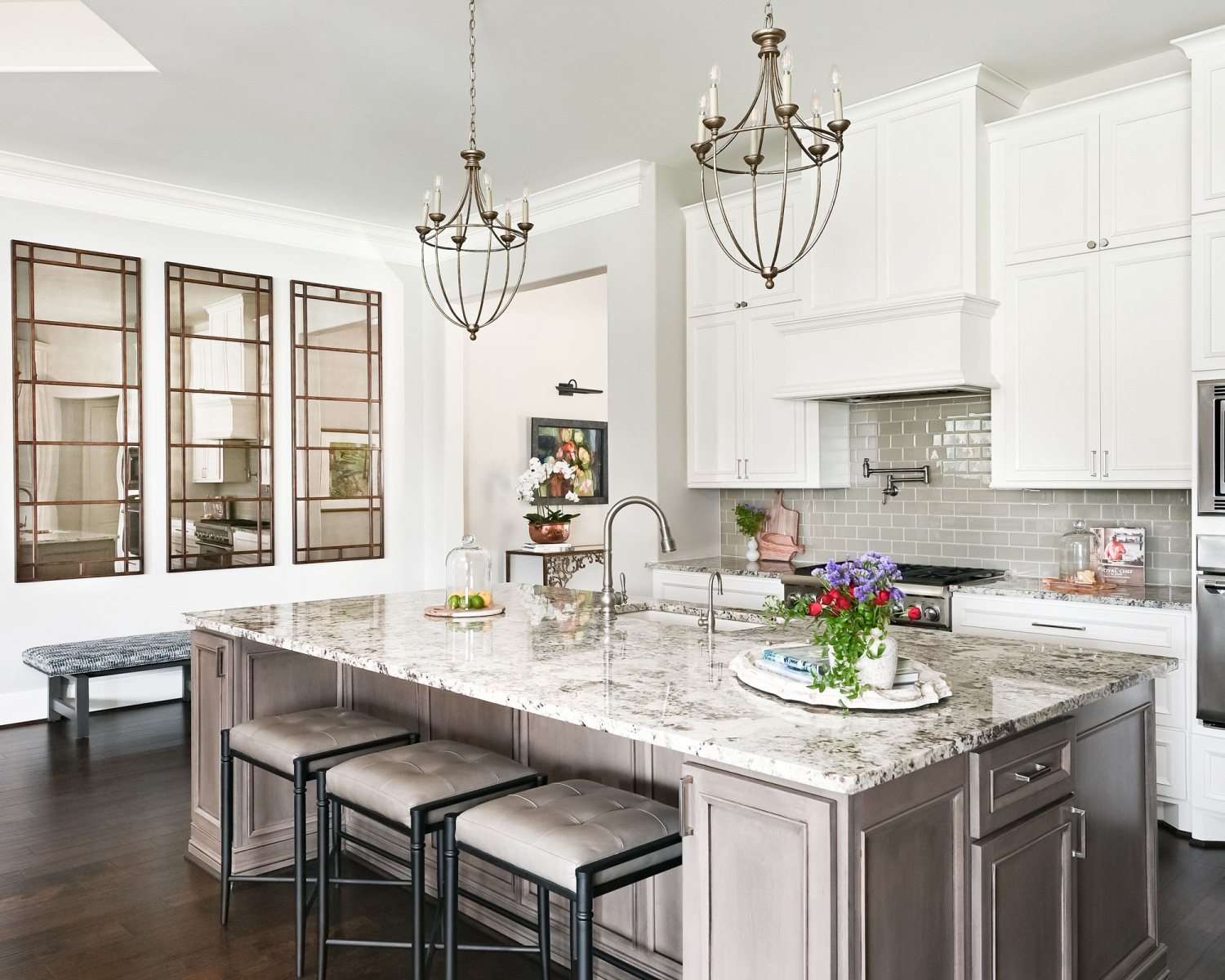
An island should improve the kitchen, not interrupt it. When it is too large or poorly positioned, it can block access to the sink, refrigerator, pantry, or main cooking zone.
How an Island Can Disrupt Kitchen Flow
An island that is too large for the room forces awkward navigation and creates traffic jams during meal prep. The primary work triangle can get interrupted when the island is not scaled correctly.
| Placement Factor | Ideal Scenario | Common Pitfall |
|---|---|---|
| Size & Proportion | Island size complements the room and allows comfortable walkways. | Island is too large, leaving tight clearance. |
| Appliance Integration | Built-in units like microwave drawers save counter space. | Appliance placement hinders access or function. |
| Clearance & Walkways | Multiple people can move and work comfortably. | Pathways feel cramped and create bottlenecks. |
| Primary Purpose | Serves as a prep zone, storage area, or seating area. | Lacks a clear function and becomes a barrier. |
Smart appliance integration helps. A 24″ wide Sharp microwave drawer in the island can free up valuable counter space while keeping the appliance accessible.
If you are also thinking about finishes, cabinet color, and material choices, our post on kitchen design trends for 2026 can help you compare style decisions before finalizing your layout.
Lacking Adequate Drawers & Optimizing Cabinetry Functionality
The difference between daily convenience and constant frustration often comes down to drawer planning. Many homeowners regret not having enough accessible storage after their project is complete.
Deep, fixed cabinets force you to crouch and dig for items every day. This poor ergonomics makes simple tasks feel like work.
Maximizing Storage with the Right Drawers
Drawers often work better than doors in base cabinetry. A 36-inch wide by 12-inch deep drawer can store main dishes, pots, and pans with better visibility and easier access.
Overcoming the Limitations of Fixed Cabinets
Smart storage solutions can make awkward spaces useful. Corner pull-outs, narrow pull-out cupboards, and sink cabinet mats all help protect the cabinetry and make storage easier to use.
| Storage Solution | Best Use Case | Functional Benefit |
|---|---|---|
| 36″ x 12″ Deep Drawers | Main dishes, pots, and pans | Full visibility and easy access without bending |
| Flex Corner Unit | Awkward corner cabinets | Pull-out shelving helps use dead space |
| 7″ Narrow Pull-out | Remaining wall gaps | Dedicated storage for oils and tall bottles |
| Sink Cabinet Mat | Base cabinet under sink | Protects cabinetry from water damage |
Awkward Pantry and Access Issues
Poor pantry access is a common regret that affects the efficiency of the entire kitchen. It often comes from a poorly placed door, shelving that is too deep, or a pantry that sits too far from the main prep zone.
Streamlining Pantry Layout for Better Accessibility
Replacing fixed shelves with full-extension pull-out drawers can make a major difference. You can see cans, boxes, and dry goods without crouching or digging through the back of a shelf.
Strategic placement matters too. Locating the pantry near a major appliance, such as an 84″ tall Dacor refrigerator, creates a stronger food storage zone and improves meal prep flow.
| Common Issue | Practical Solution | Key Benefit |
|---|---|---|
| Poor door swing blocking access | Reconfigure door placement or use sliding/pocket doors | Clear entry to all shelves |
| Deep, fixed shelving | Install tiered pull-out drawers or baskets | Better visibility and easier access |
| Pantry isolated from work zone | Position near primary appliances | Creates an efficient prep and storage hub |
| Risk of moisture damage | Use protective liners in base cabinetry | Helps preserve cabinetry finish |
Overlooking Critical Lighting Zones
Lighting affects how the kitchen looks and how well it works. Missed lighting zones can leave counters, sink areas, and cooking surfaces dim after sunset.
A strong lighting plan usually includes ceiling lighting, task lighting, accent lighting, and decorative fixtures.
Task Lighting Versus Ambient Lighting
Ambient lighting provides general light for the room. Task lighting gives focused visibility where you chop, prep, cook, clean, and read labels.
Creating a Layered Lighting Strategy
A single ceiling fixture often creates shadows over work areas. A layered plan uses different fixtures so the room can support cooking, cleaning, hosting, and everyday use.
| Lighting Layer | Primary Purpose | Common Fixture Examples |
|---|---|---|
| Ambient/General | Provides overall illumination. | Ceiling-mounted lights, chandeliers. |
| Task | Provides focused light for work surfaces. | Under-cabinet LED strips, pendants over an island. |
| Accent | Highlights architectural features or decor. | Wall sconces, adjustable recessed lights. |
| Decorative | Adds visual interest and style. | Statement pendants, decorative lamps. |
Kitchen Design Mistakes: Common Traps Missouri City Homeowners Should Avoid
The character of your kitchen depends on how the architecture, cabinetry, appliances, counters, lighting, and finishes work together. Overlooking that relationship can leave the room feeling disconnected.
Identifying Design Errors in Your Kitchen Blueprint
Many local homeowners choose displays from a big box store. These layouts may not account for your wall lengths, cabinet sizes, appliance dimensions, ceiling height, or how your family uses the space.
One frequent error is failing to panel appliances like the dishwasher. This can create a visual break in the cabinetry line.
High-end units, like a Fisher & Paykel gas oven or tall Dacor refrigerator, need thoughtful integration. Cabinetry details should match the home’s character and the way the room will be used.
| Common Trap | Professional Solution | Resulting Benefit |
|---|---|---|
| Relying on generic displays | Use custom planning for the actual room | Identifies problems early |
| Unpaneled appliances | Integrate panels where appropriate | Creates a cleaner cabinetry line |
| Trend-driven material choices | Use durable, longer-lasting selections for costly surfaces | Protects the investment from dating quickly |
| Avoiding all character | Add personality through finishes, hardware, and lighting | Makes the room feel specific to the home |
Pay attention to trends, but avoid using them in expensive permanent surfaces unless they truly fit the home. Flush-inset cabinetry, strong hardware choices, and better appliance integration can create a more finished result without relying on short-lived design details.
Creating a Functional and Beautiful Kitchen
The true success of a renovation comes from balancing practical decisions with the style of the home. A kitchen needs to support cooking, storage, cleaning, traffic flow, entertaining, and everyday family routines.
Harmonizing Form and Function with Smart Layouts
We often start with a grounded cabinet color, such as Kensington Blue by Benjamin Moore, for perimeter cabinetry when the home can support that level of color. Repeating the color on island stools or window treatments can connect the room without making it feel overdone.
Every drawer and cabinet should serve a clear purpose. A professional designer helps balance storage needs, appliance selections, cabinetry details, lighting, and finishes so the room works as one complete plan.
Texture also matters. Exposed ceiling beams, subtle wallpaper, mixed metal hardware, or stained wood details can make the room feel more personal without making the kitchen harder to live with.
Planning More Than the Kitchen
Many kitchen remodels connect to nearby rooms. If the project affects flooring, lighting, paint colors, furniture placement, or adjoining spaces, it may be worth reviewing whole home design support or browsing all interior design services.
For nearby remodel planning, you may also want to review related services like bathroom remodeling, bedroom design, or vacation rental design if those spaces are part of the broader scope.
Conclusion
Your project’s value is measured by how well it serves your family’s daily life for years to come. Careful planning helps avoid the common pitfalls discussed above and leads to a kitchen that works better every day.
Prioritize storage, clearances, appliance placement, lighting zones, and cabinetry details early. These decisions make daily tasks easier and help protect the long-term investment.
If you’re planning a renovation in Missouri City, Sugar Land, Sienna, or the nearby Houston area, J Squared Home Designs can guide the kitchen design process before major remodeling decisions are finalized.
FAQ
How can I avoid a cramped layout in my remodel?
We focus on space planning from the start. That means clear walkways, proper appliance spacing, and enough room to open the oven, refrigerator, dishwasher, and cabinet drawers comfortably before cabinetry is ordered.
Is a kitchen island always a good idea?
Not always. An island can disrupt flow if it is too large or poorly placed. It needs to fit the room’s scale and leave enough clearance around it. In some homes, a peninsula or another layout works better.
What’s the biggest storage mistake you see?
Relying too much on standard cabinets with fixed shelves. Deep base cabinets with only a door often create wasted, hard-to-reach storage. Drawers and pull-out systems usually make daily access easier.
What should I consider for pantry access?
Look at door swing, shelf depth, lighting, and the pantry’s distance from the refrigerator and prep area. Pull-out shelves, better lighting, and a more practical location can make the pantry easier to use.
How important is lighting in a renovation plan?
Lighting is critical. A single ceiling fixture is not enough for most kitchens. Use a layered plan with task lighting over counters and the sink, ambient lighting for the room, and accent lighting where it supports the design.