Why Antiques and Traditional Furniture Are Having a Moment
After years of embracing minimalism and neutral palettes, homeowners are rediscovering the charm and character that come with traditional design elements. The pendulum has swung back toward maximalism, rich textures, and pieces with stories to tell. This shift reflects a deeper longing for authenticity and warmth in our living spaces.
The Return of Traditional Silhouettes
Walk into any furniture showroom today and you’ll notice a striking change from the clean, angular lines that dominated the past decade. Upholstered pieces are once again featuring decorative skirts, rolled arms, and curved silhouettes that speak to classic craftsmanship. These traditional forms offer visual weight and presence that stark, minimalist furniture simply cannot match.
Skirted sofas and chairs are replacing the sleek, leg-baring designs that felt more like sculptural statements than comfortable seating. These pieces anchor rooms with their commanding presence while offering the comfort and functionality that modern living demands.
Embracing Layers Over Minimalism
The “less is more” philosophy that shaped interiors for years is giving way to thoughtfully curated maximalism. Homeowners are rediscovering the joy of layering textures, patterns, and objects to create spaces that feel lived-in and personal. This approach celebrates abundance rather than restraint.
Coffee tables display collections of books, decorative objects. Walls showcase gallery arrangements of artwork instead of single statement pieces floating in empty space. This layered approach creates rooms that feel warm and collected over time rather than sterile and staged.
Celebrating Vintage and Antique Pieces
There’s a growing appreciation for items with provenance and history. Antique furniture, vintage artwork, and inherited family pieces are being integrated into modern homes with pride rather than hidden away. This trend reflects a desire for authenticity in an increasingly digital world.
Vintage rugs are being paired with contemporary furniture to add instant character and warmth. Antique mirrors and artwork bring a unique personality that mass-produced pieces cannot replicate. Even reproduction pieces that reference traditional craftsmanship techniques are finding favor with homeowners who want the look of antiques without the investment or maintenance concerns.
These pieces serve as conversation starters and connection points to the past, offering a sense of permanence and continuity that feels especially valuable in our fast-paced modern lives.
Pattern Play and Rich Color Palettes
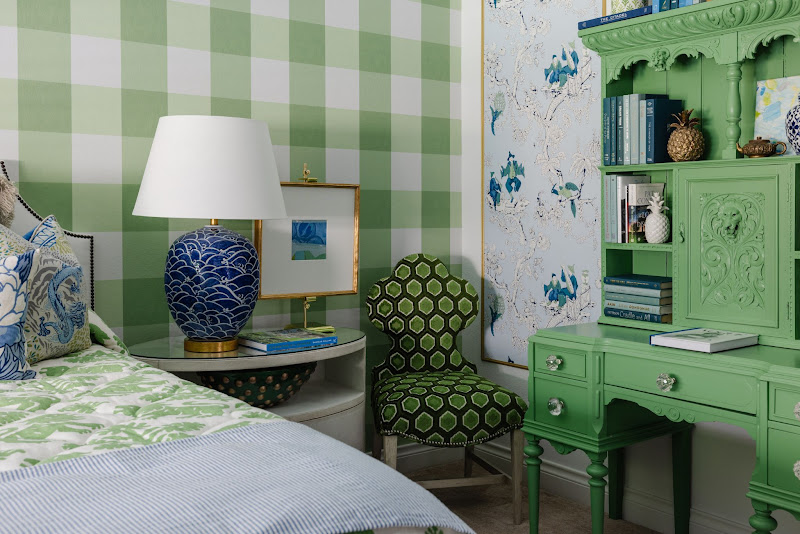
The neutral color schemes that dominated recent years are being replaced by bold pattern mixing and deeper, more saturated hues. Jewel tones are making a return in unique hues are appearing on walls, furniture, and accessories, creating spaces that feel luxurious.
Traditional patterns and toile are being reimagined in fresh colorways and scales. Florals are blooming on everything from wallpaper to upholstery, often mixed with contrasting patterns and stripes in the same room. This fearless approach to pattern creates visual excitement and reflects confidence in personal style.
The shift toward color and patterns represents a rejection of the safe, friendly neutrals that made every room look similar. Instead, homeowners are choosing palettes that reflect their personalities and create emotional connections to their spaces.
Looking Forward
This movement toward traditional elements represents more than just a design trend. After years of paring down and simplifying, people are craving spaces that feel abundant, personal, and emotionally satisfying. The return to traditional furniture and antiques reflects a desire for quality, craftsmanship, and pieces that will grow more beautiful with age.
As an award-winning interior designer and President of the Houston Chapter of the Interior Design Society, Juliana Ewer at J Squared Home Designs understands how to blend these traditional elements with modern functionality. Her expertise in creating elevated, livable spaces means she can help clients navigate this shift toward more maximalist design while ensuring their homes remain practical for daily life.
Whether incorporating a single antique piece or embracing a full traditional aesthetic, the key lies in thoughtful curation and understanding how these classic elements can enhance contemporary living. Learn more about creating beautifully layered, traditional-inspired spaces at www.j2homedesigns.com.